
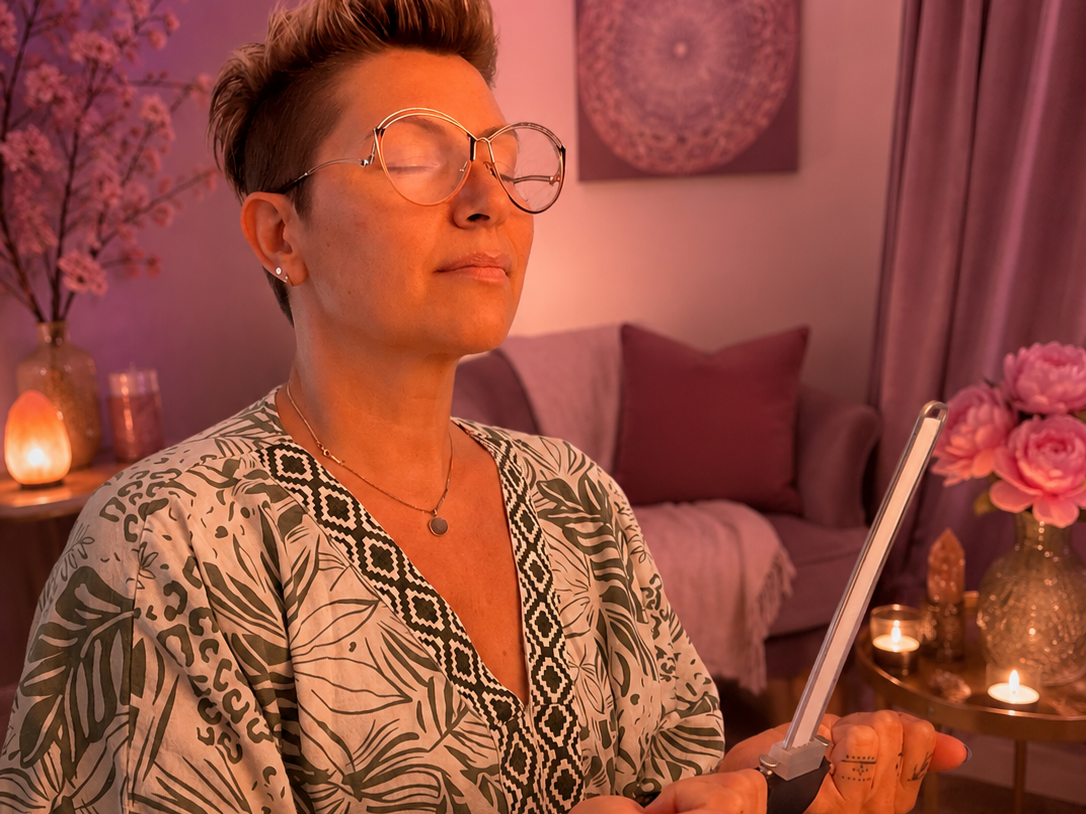
Energetic Cleansing of a Space with the Lecher Antenna

Energetic cleansing of a space is a practice rooted in geobiology. Its purpose is to help create a more harmonious environment, promoting a greater sense of comfort and well-being, whether in a living space or a professional environment.In this approach, the Lecher antenna is used as an exploratory instrument, particularly within the practice of dowsing. According to this approach, it can be used to assess certain parameters related to the perceived energetic quality of a space and to take steps toward restoring a greater sense of balance.
Geobiology focuses on the interactions between the environment and the people who occupy a space. It explores how certain elements of a location may be perceived as influencing the way people feel and experience comfort in the places where they live or work.
The aim of this practice is to promote a more peaceful, balanced, and pleasant living or working environment by seeking greater harmony between the space and its occupants.
Possible Benefits
This approach is intended to:
improve the quality of life and sense of comfort experienced within a space;
create a more harmonious, peaceful, and welcoming atmosphere;
promote a sense of well-being and balance within the space;
contribute to an environment that supports relaxation, rest, or concentration.
This practice is part of a complementary wellness and supportive approach. It is not a diagnostic method, scientific assessment, medical treatment, psychological service, or psychotherapeutic intervention. Under no circumstances should it be considered a substitute for an evaluation, advice, or treatment provided by a healthcare professional or other qualified specialist.
Frequently Asked Questions
-
My Journey with the Lecher Antenna
Choosing to train in the use of the Lecher antenna marked an important step in my personal and professional journey. My intention was to enrich my practice by incorporating a more intuitive approach, grounded in attentive listening, compassion, and respect for each person I accompany.
Beyond learning how to use a tool, this training invited me to develop a deeper quality of presence, refine my awareness, and give greater importance to observation and subtle perception. These skills develop gradually through practice, experience, and quality guidance.
Over the course of my journey, I discovered that the Lecher antenna could become a valuable tool for exploration. Within my practice, it helps me focus my attention and support each person in their own process, always with respect, without making hasty interpretations or imposing a particular perspective on their situation.
This approach has also transformed the way I accompany others. It has taught me that the quality of presence, listening, and genuine acceptance is just as essential as the knowledge and techniques we acquire. Today, I embrace an approach in which each person remains at the heart of their own journey, within a space of openness, trust, and respect.
I am deeply grateful to Danielle Blondin, whose teaching, generosity, and human approach have greatly contributed to my growth. Her respect for each person's learning pace allowed me to integrate this practice with confidence and authenticity.
I would also like to express my heartfelt gratitude to the people with whom I shared this training. Their experiences, sensitivity, and the richness of our conversations nourished my journey and made this experience deeply meaningful and enriching.
Today, I continue along this path with the desire to offer an approach grounded in awareness, attentive listening, and compassion, contributing in my own way to the well-being of those who choose to place their trust in me.
-
Preliminary Discussion
The process begins with a meeting or conversation to better understand the space, how it is used, the concerns of its occupants, and the desired goals—whether that means improving comfort, creating a more peaceful atmosphere, or promoting a greater sense of balance.Observation of the Environment
Using the Lecher antenna, the practitioner explores the space according to the principles of geobiology and dowsing. This step involves examining different areas of the environment to identify, within this approach, elements that may be perceived as influencing the overall atmosphere.Energetic Rebalancing
Based on the observations made, various harmonization methods may be used. Depending on the practitioner's approach, the process may incorporate different supports, such as intention-based practices, sound vibrations, natural elements, or other complementary tools.Creating a Harmonious Environment
The goal is to contribute to greater harmony within the space, helping foster a sense of calm, flow, and well-being for the people who live or work there.Personalized Recommendations and Follow-Up
At the end of the process, personalized recommendations may be provided to help maintain the balance of the space on a daily basis. Additional support or a follow-up visit may also be considered according to the needs and expectations of the occupants. -
Some people choose to seek energetic harmonization when they notice a change in the atmosphere or comfort of their environment. These impressions are subjective and may vary depending on each person's sensitivity, experiences, and individual circumstances.
Some of the situations most commonly mentioned include:
A Heavy or Uncomfortable Atmosphere
A feeling that a space seems less welcoming, heavier, or less pleasant than usual, without an obvious explanation.Difficulty Relaxing
A sense of being unable to fully relax, experiencing persistent restlessness, or finding it difficult to feel truly calm within the space.A More Tense Relational Atmosphere
When misunderstandings, conflicts, or unusual irritability seem to occur more frequently within the same environment.Less Restorative Rest
Some people report having greater difficulty feeling refreshed, recovering their energy, or experiencing restful sleep when they are in a particular space.An Unusual Sense of Fatigue
A feeling of low energy, heaviness, or reduced vitality that may be experienced in certain environments.An Overcrowded or Cluttered Environment
An accumulation of objects, clutter, or an inefficient layout may sometimes affect how comfortable and harmonious a space feels.Changes in Animals' Behavior
Some animals may change their behavior by avoiding certain rooms, becoming more restless, or appearing less comfortable in particular areas.These elements are not objective indicators or evidence that a space has an energetic problem. They reflect personal experiences or observations that, for some people, may lead them to consider energetic harmonization as part of a broader wellness approach.
-
Take Care of Your Environment
Keeping your space clean, tidy, and regularly ventilated helps create a pleasant environment where it is easier to feel comfortable and at ease on a daily basis.Personalize Your Living Space
Choosing elements that inspire you—such as plants, meaningful personal objects, artwork, or soothing lighting—can help create an atmosphere that reflects your needs and personality.Incorporate Moments of Re-centering
Some people enjoy introducing small rituals to encourage a peaceful atmosphere, such as listening to relaxing music, using sound, practicing conscious breathing, meditating, or simply taking a moment to set an intention.Nurture Your Personal Well-Being
The mindset of the people occupying a space can influence how the environment is experienced. Making time for activities that support balance, such as meditation, yoga, walking, or any other relaxation practice, can contribute to a more peaceful atmosphere.Encourage a Bright and Flowing Space
Allowing natural light in, regularly refreshing the air, and arranging rooms in a functional way can enhance comfort and create a pleasant sense of openness and harmony. -
The Lecher antenna can be incorporated into a broader wellness approach and used alongside other practices, depending on the individual's needs, preferences, and the practitioner's approach. These different tools are intended to support relaxation, presence, and a greater sense of harmony.
Some complementary approaches that may be offered include:
Crystals and Minerals
Crystals may be used as supportive elements or as tools for setting an intention. For some people, they can help create a calming atmosphere that encourages grounding and self-reflection.Rituals Inspired by Traditional Practices
The use of plants, incense, or smoke cleansing is found in various ancestral traditions. These rituals may be used to create a peaceful atmosphere and to mark a new beginning or transition.Intention-Based Practices
Setting an intention and practicing visualization can complement the process by encouraging greater self-awareness and reflection focused on personal goals.Sound-Based Practices
Singing bowls, tuning forks, bells, and other vibrational instruments may be used to create an atmosphere conducive to relaxation and rest.Natural Wellness Approaches
Depending on individual preferences, some people choose to incorporate complementary approaches, such as flower essences or other natural wellness practices, as part of a holistic approach to well-being.Practices That Support Everyday Balance
Conscious breathing exercises, meditation, yoga, mindful walking, or other forms of gentle movement may be suggested to support the integration of the process and encourage lasting well-being.Each session is personalized and adapted to the individual or space. The approaches offered are part of a complementary wellness practice and do not replace a diagnosis, medical treatment, or the advice of a qualified healthcare professional.
-
Energetic harmonization of a space using the Lecher antenna is offered at a rate of $320.
This service includes an assessment of the space, energetic harmonization, and personalized recommendations, if needed.